News
Sweden changes operating rules for weight-shift microlights and gyroplanes
Weight-shift microlights and nationally regulated gyroplanes will be subject to new Swedish operating rules from 16 November 2026. The change also matters to visiting pilots, who must distinguish between operating requirements and the conditions for flying foreign-registered aircraft in Sweden.
By PrivatePilot.NEWS · published 8 November 2026 · 07:00 UTC
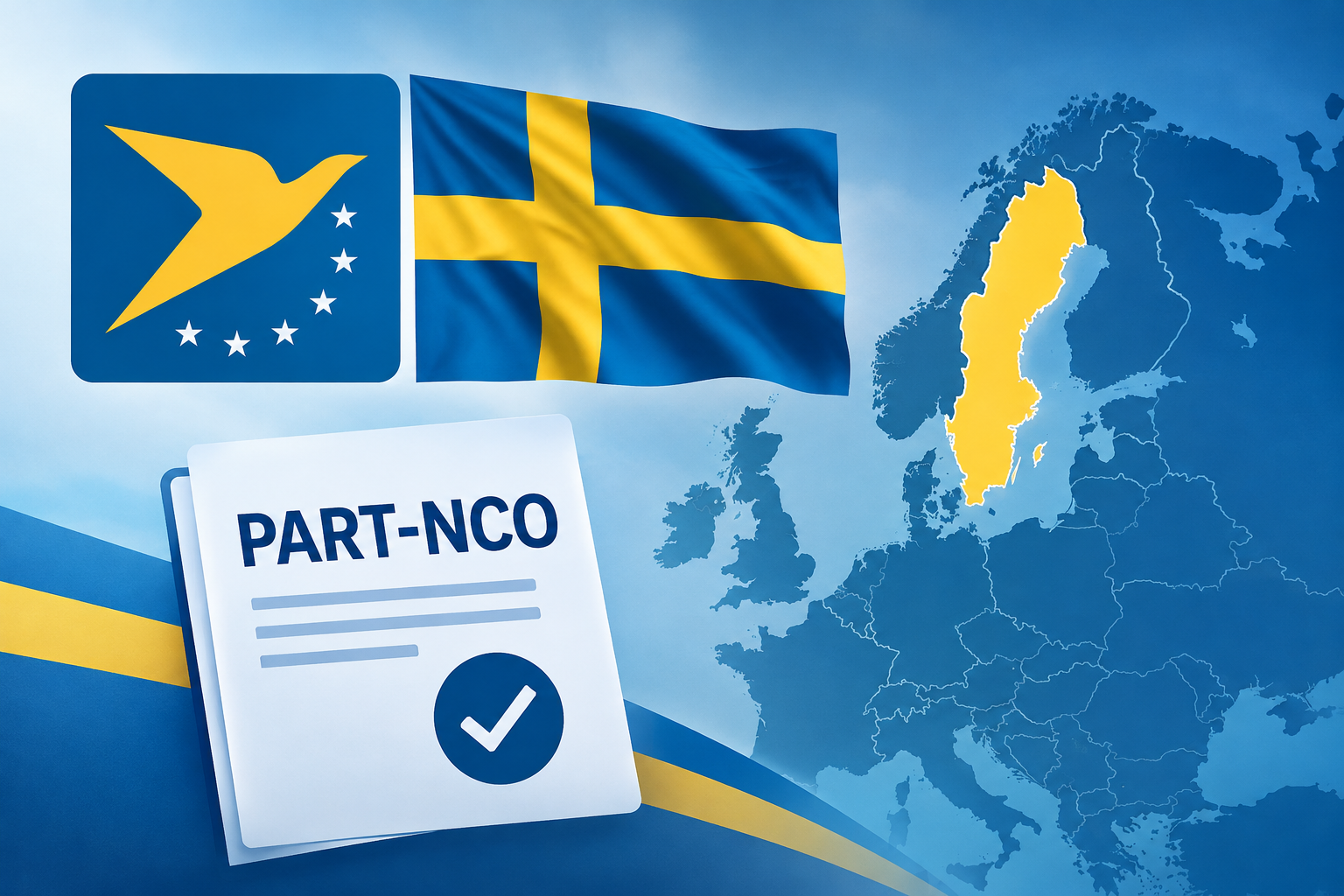
From 16 November 2026, weight-shift microlights and nationally regulated gyroplanes will be covered by a common Swedish framework for non-commercial flying. They will thus come under the operating rules already used for three-axis microlights, according to Transportstyrelsen. (transportstyrelsen.se)
The regulatory package consists of TSFS 2026:93–96, all of which take effect on the same day. The main change extends the scope of TSFS 2021:103. At the same time, LFS 2007:71 on private flying with ultralight aircraft is repealed. Transportstyrelsen published its information on the changes on 16 October 2026. (transportstyrelsen.se)
The newly covered groups include weight-shift microlights, often called trikes and designated UL-A in Sweden, and gyroplanes subject to national rules. For pilots and flying clubs using these aircraft, the change introduces a new regulatory basis for planning and conducting flights. Three-axis microlights are designated UL-B. (transportstyrelsen.se)
National rules based on Part-NCO
Under TSFS 2026:93 (PDF), the regulation gains a broader title: operational requirements for non-commercial operations with manned aircraft. Its scope refers to the exemptions from common European provisions in Article 2.8(a) and (b) and Annex I, point 1(a–g), of the EU Basic Regulation. The previous explicit exemption for weight-shift aircraft and gyroplanes is removed. (transportstyrelsen.se)
Relevant parts of the European Part-NCO rules will apply through the Swedish national regulation. In its consultation summary, Transportstyrelsen confirms that this approach will also apply to trikes. The aircraft will therefore not become EASA-regulated merely because the operating requirements are based on Part-NCO. (transportstyrelsen.se)
Part-NCO covers matters including flight preparation, weather assessment, fuel and energy planning, and briefing passengers on emergency equipment and procedures. The detailed requirements applicable to each flight must be assessed according to the aircraft and the operation. (easa.europa.eu)
Also relevant to visiting pilots
The change also matters to foreign pilots planning to fly these aircraft in Sweden. Swedish aviation law applies within Swedish territory, subject to the limitations arising from EU rules. The key distinction is therefore the aircraft's regulatory status and its use, not the pilot's nationality alone. (riksdagen.se)
Private flying with standard EASA-regulated, non-complex aeroplanes remains subject to Part-NCO. The Swedish rule change concerns the national regulatory framework. Some historic and amateur-built aircraft were already covered by TSFS 2021:103 and will therefore not undergo the same transition as trikes and gyroplanes. (transportstyrelsen.se)
Permission to visit must be assessed separately
For foreign-registered aircraft, the conditions for flying in Sweden apply in addition to the operating rules. Transportstyrelsen states that civil aircraft without a valid ICAO certificate of airworthiness or EASA Permit to Fly generally require Swedish permission. There are exemptions for specific categories and documents. (transportstyrelsen.se)
The visitor guidance describes exemptions from the application requirement for specified amateur-built, historic and ultralight aircraft on visits of up to three months. The conditions and limitations in the aircraft's documents still apply. Stays exceeding three months require an application. This is not a blanket exemption for all foreign-registered microlights or gyroplanes. (transportstyrelsen.se)
These are existing visitor provisions that must be considered alongside the operating changes taking effect on 16 November. A national permit to fly from the home country therefore does not, on its own, resolve all the conditions for a visit to Sweden. (transportstyrelsen.se)
National adaptations and consequential amendments
The Swedish operating regulation also includes national adaptations. A certificate of airworthiness or permit to fly must be carried. Non-commercial specialised operations covered by the notification provision require written notification to Transportstyrelsen. Operations may begin no earlier than ten working days after the notification has been received. This specific requirement must be distinguished from an ordinary private visiting flight. (transportstyrelsen.se)
The regulatory package also covers introductory flights and amateur aircraft construction. TSFS 2026:94 updates references in the introductory flight rules to reflect the operating regulation's new title. TSFS 2026:95 concerns consequential amendments to the amateur construction rules. Flying clubs offering introductory flights and the amateur-built aircraft community are therefore also affected. (transportstyrelsen.se)
Replacing rules with roots in the 1980s
The background is that operating rules for weight-shift microlights and gyroplanes largely date from the late 1980s. According to Transportstyrelsen, they refer to repealed provisions and are poorly adapted to technological developments. The authority aims to make the rules more practical and better suited to today's aircraft. (transportstyrelsen.se)
Visiting pilots therefore have two separate questions to resolve before flying after the changes take effect: which operating requirements apply, and whether the aircraft meets the conditions for flying in Sweden. The specific assessment must be based on the aircraft's category, registration, documents and intended use. (transportstyrelsen.se)