
News
FAA requires valve housing replacement on six Rotax engine variants
FAA requires affected turbocharger valve housings on six Rotax variants to be replaced before further flight after an unresolved effective date. EASA’s directive covers nine variants and took effect on 16 September 2026. (aerocorner.com)
By PrivatePilot.NEWS · published 2 November 2026 · 15:00 UTC
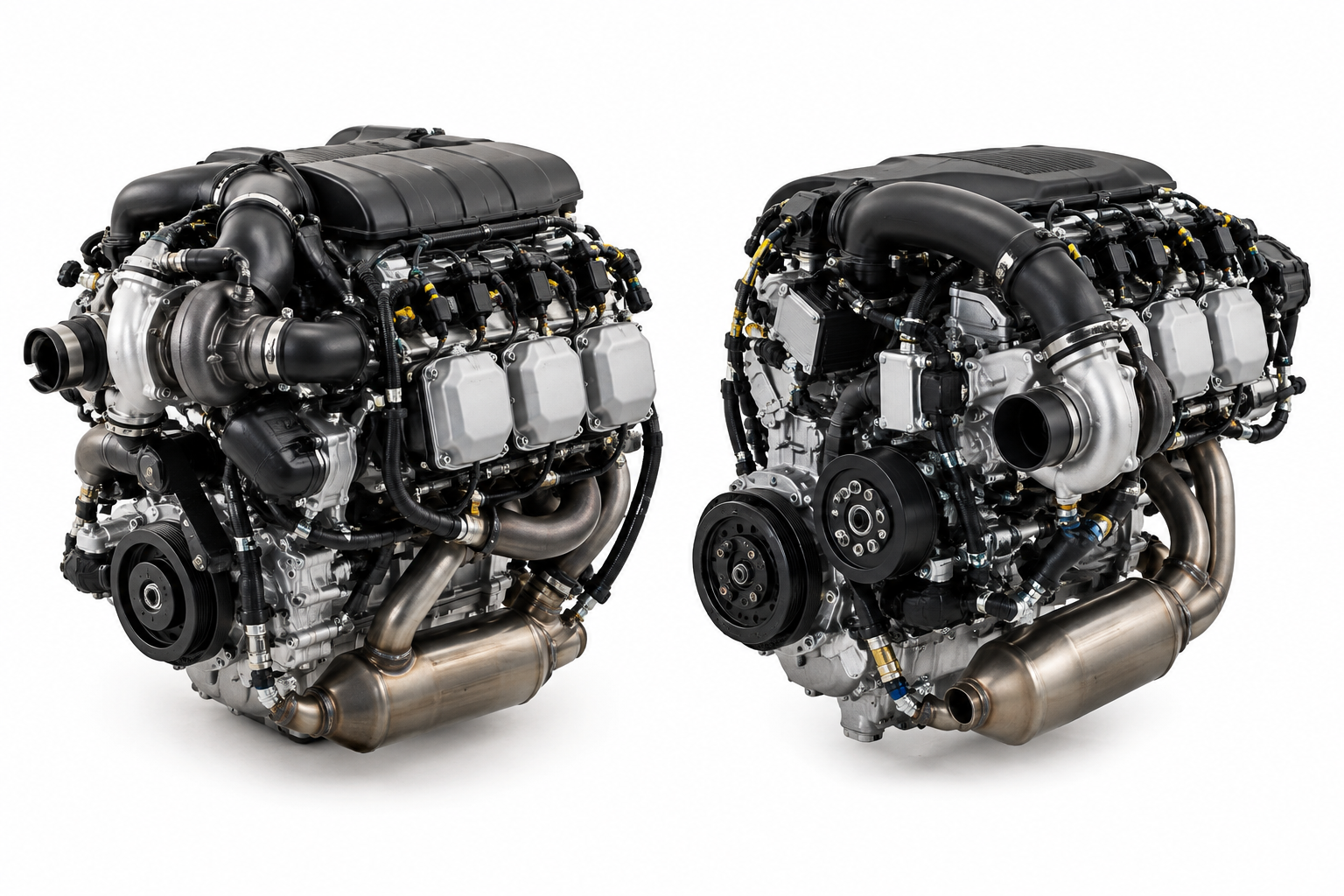
The US Federal Aviation Administration (FAA) requires replacement of affected turbocharger valve housings on six type-certified engine variants in the Rotax 915 iSc and 916 iSc families. The requirement is set out in Airworthiness Directive AD 2026-22-03. (govinfo.gov)
On affected engines, replacement must be completed before further flight after the directive takes effect. The FAA estimates that 51 engines on US-registered aircraft are affected, according to AeroCorner. However, the US effective date is ambiguous. (aerocorner.com)
The issue stems from cracks in valve housings with insufficient wall thickness. The cracks can cause oil leaks. Oil contacting hot exhaust components can cause smoke and, in the worst case, an engine compartment fire. (govinfo.gov)
These six engine variants are covered by the FAA directive
The FAA limits the directive to the following BRP-Rotax engine variants: (govinfo.gov)
- Rotax 915 iSc2 C24
- Rotax 915 iSc3 C24
- Rotax 916 iSc2 A
- Rotax 916 iSc3 A
- Rotax 916 iSc2 C24
- Rotax 916 iSc3 C24
This defines model applicability; it does not confirm that every engine needs a new valve housing. Rotax’s service documentation identifies which turbochargers have the affected component. The engine’s full designation and the installed component must therefore be checked, not just the family name “915” or “916”. (govinfo.gov)
EASA covers three additional engine variants
The European Union Aviation Safety Agency (EASA) issued Emergency Airworthiness Directive 2026-0178-E on 14 September 2026, effective 16 September 2026. Its model applicability includes all six variants on the FAA list, plus these three: (ad.easa.europa.eu)
- Rotax 915 iSc2 A
- Rotax 915 iSc3 A
- Rotax 916 iSc3 B
EASA’s model applicability covers all serial numbers of the nine variants. Here too, a distinction must be made between the engine variants covered by the directive and the installed components that trigger the replacement requirement. (govinfo.gov)
Deadlines: before further flight, but the FAA date remains unresolved
Two effective dates are given for the FAA directive: 23 November 2026 in the date field and 4 November 2026 in paragraph (a) of the directive. The discrepancy matters because the replacement deadline is tied to the effective date. Neither date should be presented as definitively established without confirmation from the FAA. (govinfo.gov)
Examples of aircraft with engines in these families
The Bristell family provides several documented examples of Rotax 915 and 916 engine use. The examples below show engine installations, not a confirmed list of aircraft with affected valve housings. (flyrotax.com)
- Bristell B23 Turbo: Certified with the Rotax 915 iSc, according to Rotax. This information does not specify the full engine variant. (flyrotax.com)
- Bristell B23-915 IFR: Has an engine in the Rotax 915 family, according to aircraft manufacturer BRM Aero. (bristell.com)
- Bristell B23-916iS: Has an engine in the Rotax 916 family, according to BRM Aero. The aircraft’s model name is not sufficient to establish the engine’s full type designation or whether the valve housing is affected. (bristell.com)
It remains unclear which, if any, Norwegian-registered aircraft have engines or components covered by the directive. Nor do the aircraft examples establish which aircraft carry the 51 engines in the FAA’s US fleet estimate. (aerocorner.com)